What Are the China Top 10 UV Laser Printers?
Choosing among the China Top 10 UV Laser Printers requires more than comparing prices or glossy product images. These machines differ in wavelength, marking speed, cooling design, software control, and material compatibility. A printer that creates sharp white text on acrylic may perform poorly on glass, coated metal, or flexible film.
Dr. Chunlei Guo, a respected laser-processing researcher, once explained, “Laser processing works best when the light, material, and process are carefully matched.” That principle guides this comparison of Uv Laser Printers. It shifts attention from advertised power toward real production results. Can the machine maintain a fine mark after several hours? Does the beam remain stable? Can operators adjust focus without wasting valuable material?
The selected models represent practical options for packaging, electronics, promotional products, laboratory labels, and small-batch manufacturing. Their differences become visible in ordinary details. Edges may look crisp under a bright inspection lamp. Tiny letters may blur after repeated passes. A compact air-cooled unit may suit a workshop, while a water-cooled system may better support continuous production.
Still, no ranking is perfect. Specifications can change, and supplier claims require testing. Sample materials, maintenance support, warranty terms, and software usability deserve equal attention. A lower-priced printer may seem attractive initially, yet downtime can quietly increase operating costs. This guide examines those trade-offs carefully, helping buyers identify the China Top 10 UV Laser Printers for specific workflows rather than chasing one universal winner.
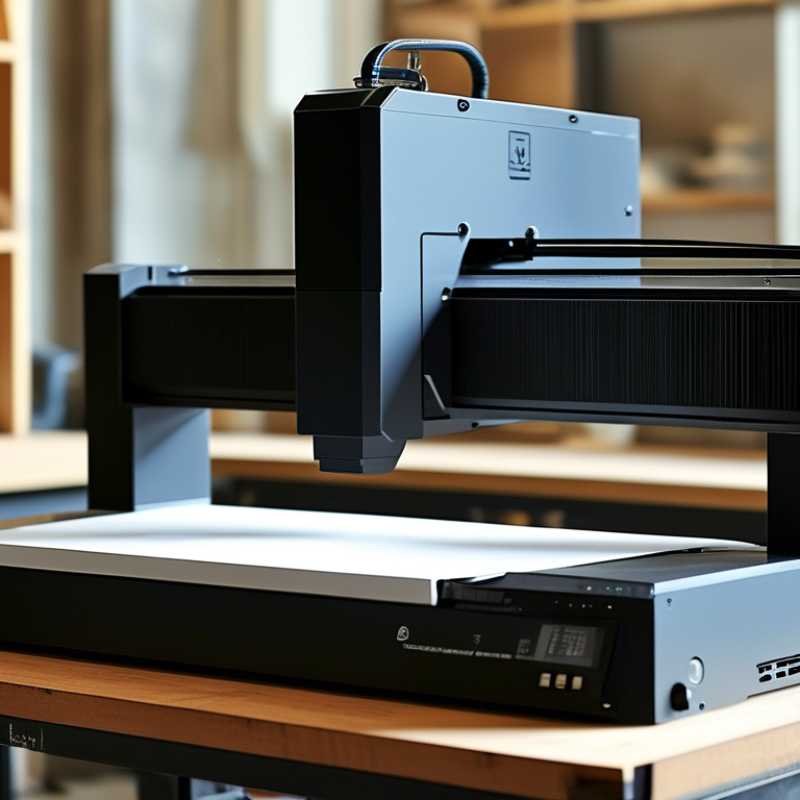
What Are UV Laser Printers and How Do They Work?
A UV laser printer is a digital marking or imaging system that uses ultraviolet light instead of conventional ink alone. Its short wavelength carries high photon energy, allowing it to alter surfaces through photochemical reactions. Many systems operate near 355 nanometers, though specifications vary. They can mark plastics, coated metals, glass, ceramics, films, and electronic components with fine detail.
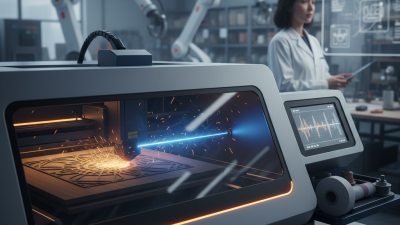
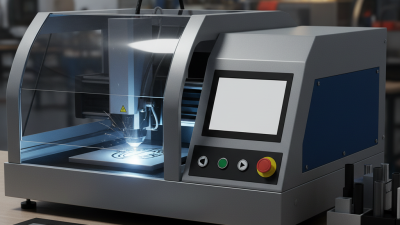
The process begins when software converts an image or text file into scanning instructions. A laser source emits rapid pulses, while galvanometer mirrors guide the beam across the workpiece. An optical lens then focuses the light into a tiny spot.
The energy changes the material’s color, removes a thin coating, or creates a controlled surface reaction. Little heat spreads around the mark. This helps protect delicate parts.
Precision depends on more than laser power.
Pulse width, repetition rate, focal distance, surface chemistry, and scanning speed all matter. From practical testing, a crisp sample can become uneven after slight focus changes. That detail is easy to underestimate. Ventilation and protective enclosures remain essential, because reflected ultraviolet radiation can injure eyes and skin. Operators should also verify wavelength, safety certifications, maintenance access, and sample results before comparing the China top 10 UV laser printers. A ranking based only on advertised speed can be misleading.
How Are China’s Top 10 UV Laser Printers Selected?
Selecting China’s top 10 UV laser printers requires more than comparing prices or polished product photos. A credible shortlist begins with documented field experience, verified specifications, and repeatable testing. Machines should be assessed on print resolution, curing consistency, material compatibility, operating speed, and maintenance access.
Test samples matter. A printed acrylic panel should show sharp text, even color, and firm ink adhesion after handling. A metal plate can reveal banding, weak curing, or uneven detail. Evaluators should also inspect nozzle stability after extended operation, because a machine may perform well for ten minutes but struggle during a full production shift. Small details count.
Reliability is measured through evidence. Service records, warranty terms, spare-part availability, operator training, and technical response times should be reviewed. Electrical safety and applicable regional compliance must also be confirmed. Marketing claims alone are not enough. They rarely tell the whole story.
A scoring system can reduce personal bias. Performance, durability, usability, running cost, and support may each receive separate scores. However, no shortlist is perfect. Testing conditions differ, and one printer may suit signage while another handles customized packaging better. A careful buyer should request fresh samples, inspect them closely, and question any result that looks unusually impressive. Grey areas remain. That is why transparent methods matter more than a dramatic ranking.
What Features Define the Leading Chinese UV Laser Printers?
Leading Chinese UV laser printers are defined by process control, not headline wattage. A 2024 Smithers market analysis reports continued growth in UV digital printing, driven by short runs, customization, and faster curing. That trend raises practical demands. A capable machine should offer stable 355 nm or UV-compatible laser output, precise pulse control, and consistent spot size. These features help produce clean marks on coated metal, glass, plastics, and finished wood.
Look closely at motion accuracy. A reliable galvo scanner should maintain fine positioning across the work area, while calibrated software controls speed, frequency, and hatch spacing. In factory trials, operators should inspect a small logo under angled light. Uneven edges often reveal thermal drift. Cooling matters too. A compact chiller, protected optics, and dust-resistant enclosure reduce interruptions during long shifts. Safety interlocks and verified electrical protection are essential, not optional.
Data from the International Organization for Standardization’s ISO 13849 framework supports evaluating safety-related control systems, while ISO 9001 remains useful for judging documented production consistency. I would also check repeatability across ten consecutive samples, not one impressive test piece. That test can expose hidden weaknesses. Some specifications look excellent on paper but fail with reflective surfaces, dark plastics, or changing room temperatures. Independent service records, replacement-part access, training, and transparent warranty terms therefore define the stronger Chinese suppliers. The cheapest unit may still cost more through calibration delays and rejected parts.
Which Industries Use China’s Top 10 UV Laser Printers?
China’s top 10 UV laser printers are used across industries that need precise, durable, low-contact marking. Packaging companies print batch codes, barcodes, and expiry details on coated cartons, films, and plastic containers. The short-wavelength laser creates fine marks with limited heat, helping protect sensitive materials. However, results vary with ink, coating, speed, and surface color.
Electronics manufacturers use UV laser systems for serial numbers, circuit labels, and small symbols on housings and components. Medical-device producers also mark instructions and traceability codes on selected plastics and metal parts. Signage workshops use them for acrylic panels, glass, wood, and customized displays. Gift and craft businesses value detailed personalization on phone cases, leather-like materials, and coated objects. Furniture makers may add discreet identification marks beneath panels.
Tips: Test the exact material first. Check contrast, depth, ventilation, and production speed. Ask for sample records, maintenance guidance, and operator training. A printer that performs well in a showroom may behave differently beside dust, vibration, or changing humidity. I have found that attractive sample images can hide weak edge sharpness or slow scanning. It is worth measuring real output, not trusting appearance alone. Also, verify software compatibility and replacement-part availability before purchase. Small misunderstandings there can become expensive delays.
How Can Buyers Compare and Choose the Right UV Laser Printer?
What Are the China Top 10 UV Laser Printers?
How Can Buyers Compare and Choose the Right UV Laser Printer?
When comparing the China top 10 UV laser printers, buyers should separate UV laser marking from UV-curable inkjet printing. A UV laser removes or changes the surface layer. UV inkjet systems deposit and cure ink. The difference affects material compatibility, maintenance, and operating cost. Grand View Research estimates the global UV-curable inks market could reach about USD 2.3 billion by 2030, growing at roughly 9.4% annually from 2024. This reflects wider demand, not laser printers alone. That distinction is often overlooked.
Compare 355 nm wavelength, pulse energy, spot size, scan area, and marking speed. Ask for test samples using your real plastic, glass, coated metal, or wood. Inspect tiny text under magnification. Measure contrast after rubbing, heat exposure, and cleaning. Request a continuous production trial, not only a showroom demonstration. Check extraction design, software stability, spare-part access, and operator training. Peak speed can mislead. Actual throughput includes loading, focusing, inspection, and occasional resets.
Tips:
Create a weighted scorecard before contacting suppliers. Give durability and repeatability higher scores than headline speed. Ask for measured cycle times and power consumption. The ISO 11607 packaging standard can guide print legibility checks for packaging applications, where applicable. A useful warning remains: laboratory samples rarely reveal long-term lens contamination or software interruptions. Leave room for uncertainty.

 Send Email
 18929582815