Top 5 Tips for Choosing Fiber Laser Marking Printers?
Choosing the right Fiber Laser Marking Printers can significantly impact your production process. With various options on the market, it’s easy to feel overwhelmed. These machines are known for their precision and versatility, making them popular in many industries.
Understanding the key factors in selecting a suitable printer is crucial. You need to assess your specific needs, such as the materials you will mark and the intricacy of your designs. The cost can vary widely, which adds to the challenge of decision-making.
It’s vital to rely on expert advice and user reviews to navigate these choices. Keep in mind that even small details can make a big difference in performance. Don't overlook maintenance and support options. Indecisions can lead to costly mistakes, so take the time to reflect before making your purchase.
Understanding Fiber Laser Technology and Its Applications
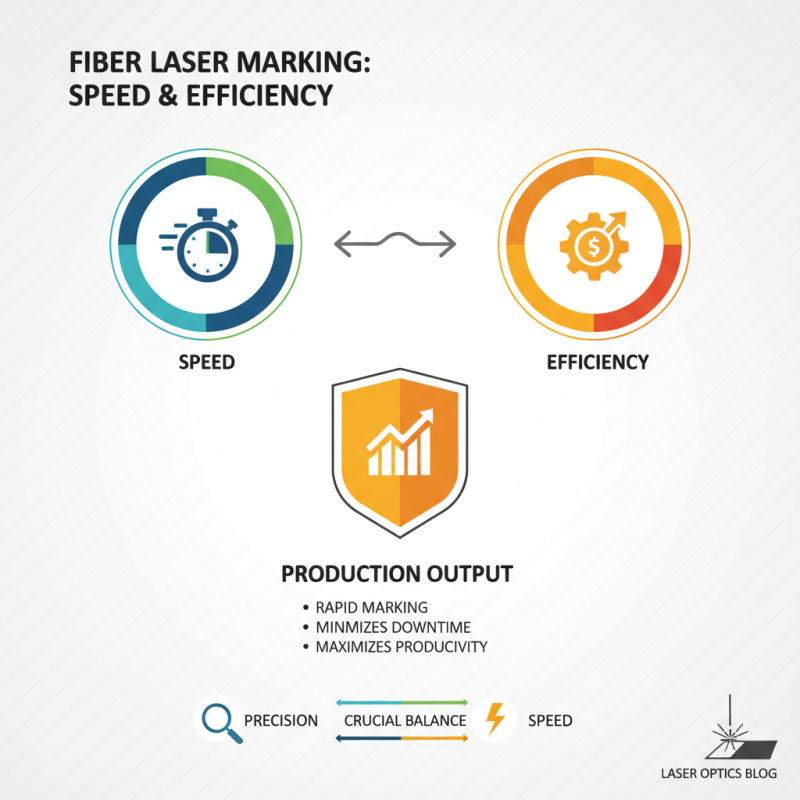
Fiber laser technology has become a dominant choice for marking and engraving materials across various industries. It offers high precision and speed while maintaining a low cost of ownership. According to industry reports, the fiber laser marking market is projected to grow significantly, reaching a value of over $1 billion by 2026. This growth underscores the increasing demand for reliable and efficient marking solutions.
When selecting fiber laser marking printers, consider their application requirements. Different materials require different power levels and wavelengths. Your printer should efficiently handle metals, plastics, and ceramics if you work in diverse fields. Remember, proper alignment and focus on the laser beam are crucial for achieving high-quality marks.
Tips for choosing the right printer include verifying the machine’s warranty and support options. Reliable support can minimize downtime, especially during crucial production periods. Another priority is to evaluate the printer’s software compatibility. A user-friendly interface can significantly enhance your productivity. Finally, investigate the machine's energy consumption; sustainability in operations can lead to long-term savings.
Key Factors Influencing the Selection of Fiber Laser Marking Printers
When choosing fiber laser marking printers, several key factors come into play. One significant aspect is the laser power. Reports indicate that higher wattage typically results in faster marking speeds. For example, a 20W laser can mark a variety of materials more quickly than a lower power option. This can directly enhance production efficiency.
Another vital factor is software compatibility. The right printer should easily integrate with existing systems. Studies show that seamless software interfaces lead to better operational workflow. The ability to quickly modify designs and accommodate various file formats is crucial for a hassle-free experience. A printer that lacks in this area may cause unnecessary downtime.
Additionally, consider maintenance and service support. Research emphasizes that regular maintenance extends printer lifespan. A lack of support may lead to prolonged issues, affecting daily operations. Marking printers, regardless of their initial cost, will incur additional expenses if they frequently break down. Ensure that the provider offers comprehensive support and service agreements. Recognizing these elements can lead to more informed decisions in investing in fiber laser marking technology.
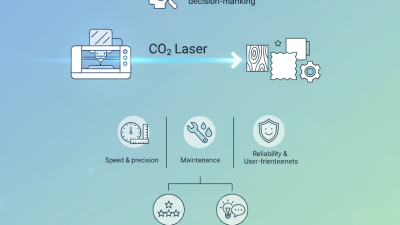
Top 5 Factors Influencing the Selection of Fiber Laser Marking Printers
Analyzing Cost-Effectiveness: Investment vs. Long-Term Savings
When considering fiber laser marking printers, cost-effectiveness is crucial. An analysis by market research firms indicates that these printers can reduce operational costs by up to 30% compared to traditional methods. This reduction comes from lower energy consumption and minimal maintenance needs. Investing in a fiber laser printer often leads to greater productivity, allowing businesses to fulfill more orders in less time.
Long-term savings are significant. A report from the Laser Institute of America suggests that fiber lasers have a lifespan of over 100,000 hours. This longevity translates to fewer replacements and repairs. In addition, lower downtime from malfunctions contributes to overall efficiency. However, some companies might hesitate due to the initial investment costs. Understanding the balance between this investment and the long-term benefits is essential for making an informed decision.
Not every business will experience the same savings. Some smaller operations might find ROI slower than expected. Proper assessment of specific marking requirements is necessary before making a choice. Each operation’s needs can influence the overall effectiveness and savings gained from fiber lasers. Analyzing your unique situation helps clarify whether the investment aligns with future growth and efficiency objectives.
Compatibility with Materials: Ensuring Versatility in Laser Printers
When selecting fiber laser marking printers, material compatibility is crucial. A versatile machine can handle various substrates, from metals to plastics. According to a recent industry report, about 70% of manufacturers prioritize flexibility in material use. This flexibility allows for efficient processing, making operations smoother and more productive.
Different materials require specific laser settings. For instance, metals like stainless steel respond well to higher-powered lasers, while plastics may need lower power settings. The right printer should easily adjust these parameters. A study by industry analysts found that businesses using multi-material printers saw a 30% increase in efficiency. This adaptability helps companies grow and meet diverse customer demands.
However, not all fiber lasers are created equal. Some may struggle with certain materials, leading to wasted time and resources. It's essential to thoroughly review each printer's specifications and user reviews. This process ensures that your investment delivers the reliability and versatility required in today's competitive landscape. Compatibility with materials is not just a feature; it's a necessity for long-term success.
Top 5 Tips for Choosing Fiber Laser Marking Printers - Compatibility with Materials: Ensuring Versatility in Laser Printers
| Material Type |
Marking Capability |
Common Applications |
Recommended Laser Power (W) |
| Stainless Steel |
High contrast marking |
Industrial parts, medical instruments |
20-50 |
| Aluminum |
Anodized and non-anodized marking |
Electronics, automotive components |
20-30 |
| Brass |
Etching and engraving |
Jewelry, decorative items |
30-50 |
| Plastics |
Surface etching and marking |
Packaging, consumer goods |
10-20 |
| Ceramics |
Engraving with precision |
Tiles, decorative pottery |
20-40 |



 Send Email
 18929582815