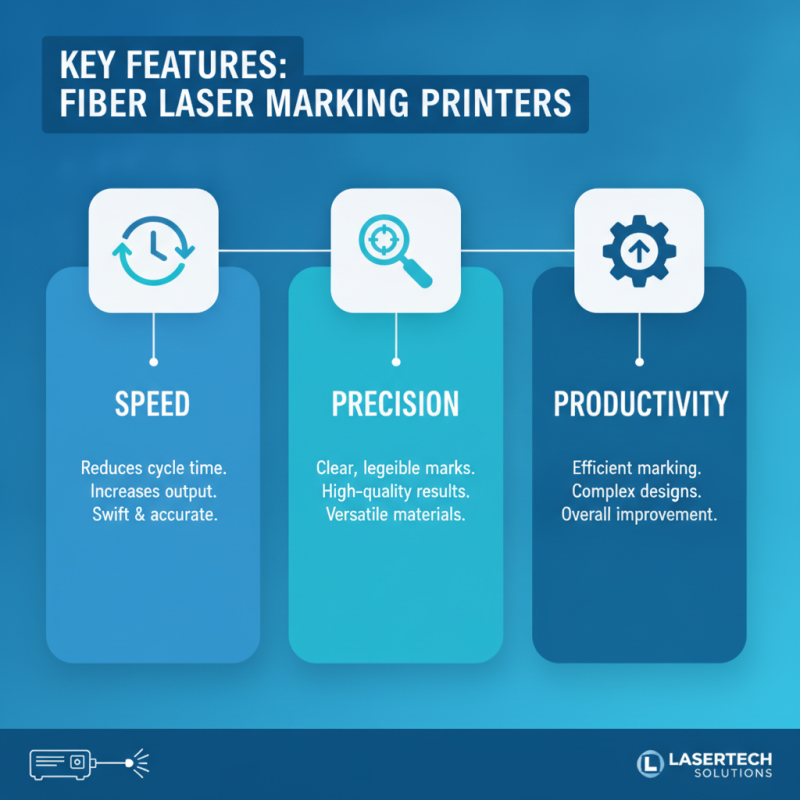
Top Fiber Laser Marking Printers for Efficient Production?
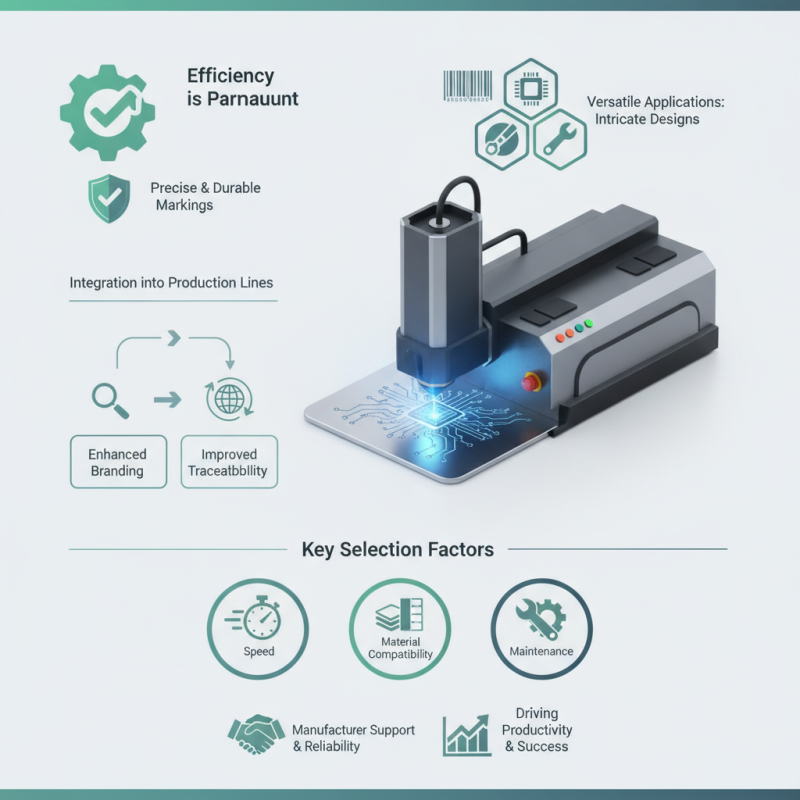
In the realm of modern manufacturing, efficiency is paramount. Fiber Laser Marking Printers have emerged as a key player in this space. Their ability to provide precise and durable markings makes them increasingly popular among industry professionals. Many companies are now recognizing the advantages of integrating these machines into their production lines.
These printers excel in various applications, from product labeling to intricate designs. Their versatility allows businesses to enhance branding and improve traceability. However, not all Fiber Laser Marking Printers are created equal. Selecting the right model can be challenging, given the multitude of options available. Some models may underperform or not meet specific industry needs, highlighting the importance of thorough research.
When choosing a printer, companies should consider factors such as speed, material compatibility, and maintenance. These aspects can significantly affect operational efficiency. It's essential to evaluate not just the features but the support and reliability of the manufacturer. In a fast-paced market, businesses cannot afford downtime caused by subpar equipment. Understanding these nuances can lead to better investments in Fiber Laser Marking Printers, ultimately driving productivity and success.
Understanding Fiber Laser Marking Technology and Its Applications
Fiber laser marking technology has revolutionized the way industries approach marking and engraving. This process uses a high-intensity laser beam to etch designs onto various materials, including metals, plastics, and ceramics. The precision and speed offered by fiber lasers make them suitable for a range of applications. Whether it's marking serial numbers, barcodes, or intricate designs, fiber lasers deliver quality results.
The applications of fiber laser marking extend across numerous sectors. In manufacturing, they streamline production by ensuring quick identification of products. In the automotive industry, they are critical for marking parts with vital information. This technology can also be utilized for personalizing items, providing a unique touch to consumer products. However, businesses must consider the initial investment and ongoing maintenance costs of these systems.
While fiber laser marking systems offer clear advantages, challenges remain. Operators must be trained to ensure optimal performance and safety. Furthermore, the choice of materials can influence the marking quality. Using unsuitable substances can lead to unsatisfactory results, which is something companies need to address actively. Adopting fiber laser technology requires thoughtful consideration, but the efficiencies gained can be substantial.
Comparison of Leading Fiber Laser Marking Printers on the Market
When selecting fiber laser marking printers, several factors come into play. The main considerations include speed, precision, and ease of use. High-speed capabilities are crucial in busy production environments. A printer that can operate quickly reduces bottlenecks and enhances productivity. However, speed should not compromise the quality of the markings. Ensuring the laser's focus remains sharp is essential for precision.
Comparing leading models reveals a diverse range of features. Some models offer advanced software integration, which simplifies design processes. Others may provide a broader range of materials they can mark. This versatility is beneficial for businesses that deal with various substrates. It’s important to note that these additional features can lead to increased maintenance needs. Reliability is affected by how often the printer requires servicing.
User feedback highlights the importance of support services. Availability of customer service can make a significant difference when issues arise. Some brands may perform well initially but falter during long-term use. User experiences show that printers need regular adjustments and sometimes specialized training for staff. These reflections can guide potential buyers in making informed decisions for their production needs.
Benefits of Utilizing Fiber Laser Marking in Production Processes
Fiber laser marking technology is transforming production processes across various industries. Its ability to produce high-quality, permanent markings on a wide range of materials makes it an ideal choice. According to recent industry reports, fiber laser markers can achieve precision levels of up to 0.01 mm, enhancing product traceability. This precision is essential in sectors like automotive and aerospace, where strict compliance is mandatory.
The efficiency of fiber laser marking is another significant benefit. Unlike traditional methods, fiber lasers operate continuously with minimal maintenance, ensuring consistent output. A study by the Laser Institute of America highlights that switching to fiber lasers can reduce operational costs by up to 30%. This reduction primarily stems from lower energy consumption and reduced material waste during the marking process.
Moreover, fiber lasers are versatile. They can mark, engrave, and even cut various materials, including metals, plastics, and ceramics. While these benefits are compelling, some manufacturers encounter challenges, such as the need for skilled operators. Training is crucial to maximize the potential of fiber laser systems. Finding a balance between technology use and skilled labor is critical for sustainable production practices.
Tips for Maintaining and Optimizing Fiber Laser Marking Equipment
Maintaining fiber laser marking equipment is crucial for efficiency. Regular inspections help identify issues early.
Check the lens and mirrors frequently. Dust and residue can hinder performance. A clean system ensures sharp, precise markings. Use appropriate cleaning solutions to avoid damage.
Optimize your equipment through software updates. Many systems have firmware that can enhance functionality. Stay informed about new features and improvements. Monitor the power settings regularly. Proper power adjustments contribute to better marking quality.
Don't forget to train your staff. Knowledgeable operators contribute to the maintenance process. Ensure they understand troubleshooting steps. Engage them in routine checks. A well-informed team can spot potential problems before they escalate. Evaluate your practices regularly and adjust as necessary. Understanding limitations is key to a successful marking operation.



 Send Email
 18929582815