How to Choose the Best Small Character Inkjet Printers?
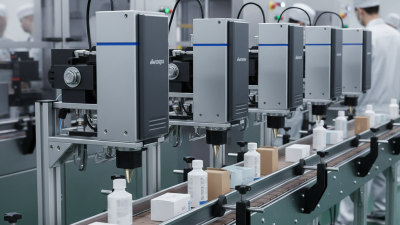
Selecting the best Small Character Inkjet Printers is crucial for various industrial applications. These printers are essential for high-quality, accurate printing on packaging, labels, and products. However, with numerous options available, making the right choice can be challenging.
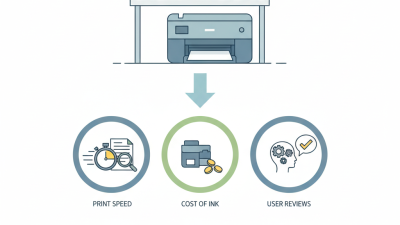
Consider the intended use of the printer. Different models come with distinct features tailored for specific tasks. For instance, some printers excel in speed, while others prioritize print resolution. Evaluating these factors can save time and resources in the long run.
User reviews and expert recommendations can provide valuable insights. It’s wise to read feedback from existing users. However, take note of inconsistent reviews, as they may indicate a product's limitations. Ultimately, choosing the right Small Character Inkjet Printer should align with your business's specific needs and budget.
Understanding Small Character Inkjet Printers and Their Applications
Small character inkjet printers offer unique advantages in various industries. These printers are designed for high-speed, precise printing on surfaces like cardboard, plastic, and metal.
According to a recent industry report, the global demand for inkjet printers in packaging applications is projected to grow at a compound annual growth rate (CAGR) of 5.2% from 2022 to 2027. This growth reflects their increasing importance in manufacturing.
The printing technology provides clear, legible barcodes and expiration dates on products. A study highlights that 86% of manufacturers prioritize print quality and durability to meet regulatory standards. Small character inkjet printers can handle various ink types, including solvent-based and water-based inks. However, these printers require regular maintenance to avoid clogs and ensure consistent performance. Many users overlook this, leading to printing issues and operational downtime.
Applications of small character inkjet printers extend beyond packaging to automotive and electronics sectors. They facilitate direct marking on components, enhancing traceability. Manufacturers face challenges in adapting to changing regulations and maintaining production efficiency. Evaluating the specific needs of each application is crucial. Investing in training and preventive maintenance can significantly improve operational reliability.
Key Features to Consider When Choosing Inkjet Printers for Small Characters
When selecting inkjet printers for small character printing, several key features should be prioritized.
Resolution is crucial for clarity. High DPI
(dots per inch) ensures sharp text, especially for detailed work. Look for models offering a
minimum of 1200 DPI for optimal output quality.
Speed matters as well. Printers that can handle
multiple pages per minute can boost productivity.
Another essential factor is ink efficiency. A report
from Smithers Pira indicates that the cost of ink can account for about
30% of total printing expenses. Selecting printers
with high-yield cartridges can significantly reduce costs over time. Additionally, consider the
printer’s compatibility with various media types. Different jobs may require different paper sizes
or textures.
Here are a few tips:
- Test print quality before purchasing.
- Read customer reviews for real-world insights into reliability.
- Assess if the printer offers wireless connectivity. This can enhance
convenience and flexibility in your workspace.
Choosing the right device is intricately tied to understanding your specific needs. Consider the
environment in which you'll be printing. Some printers may excel in office settings but lag in quieter
home environments. Reflect on how often and what you will print. Having clarity about these factors
will guide you in making an informed choice.
Comparing Print Quality: Test Methods and Standards for Small Character Printers
When comparing print quality in small character inkjet printers, it's important to establish suitable test methods and standards. Print resolution is often the first metric to examine. High resolution facilitates crisp and clear output, ensuring that small characters are easily readable. However, resolution alone doesn't determine quality.
In addition to resolution, consider color accuracy and consistency. A reliable printer should reproduce colors true to the original design. Conducting side-by-side comparisons of test prints can illuminate discrepancies. Some printers may excel in black text but falter in color vibrancy. Regular calibration can help maintain performance, but it’s not a foolproof solution. Unexpected issues may arise, requiring further adjustments.
Moreover, durability of prints is a crucial aspect. Some ink formulations may fade over time or smudge when exposed to moisture. Testing prints under various conditions can reveal weaknesses. Users should document these findings to inform future purchases. This careful analysis may take time but will ultimately lead to better printing choices. The clarity of your print affects not just aesthetics but also functionality, so invest effort in understanding these standards.
Comparison of Print Quality in Small Character Inkjet Printers
Cost Analysis: Evaluating the Total Cost of Ownership for Inkjet Printers
When choosing a small character inkjet printer, understanding the total cost of ownership is crucial. Beyond the initial purchase price, ongoing expenses like ink cartridges and maintenance should be considered. These costs can add up quickly. A printer that is cheaper at first may require frequent replacements of expensive ink.
Additionally, consider the lifespan of the printer. Some models may seem affordable but might not stand the test of time. Regular repairs can also increase costs. Evaluating reviews and user experiences can provide insights into reliability. This approach lets potential buyers gauge how often they might face unexpected expenses.
Don't forget about energy consumption. This often-overlooked factor can affect long-term costs. Some printers, while efficient in ink usage, might consume more electricity. Balancing these elements is not easy. It's important to calculate the overall investment required. Sometimes, a higher-quality printer that costs more upfront can save money over time.
How to Choose the Best Small Character Inkjet Printers? - Cost Analysis: Evaluating the Total Cost of Ownership for Inkjet Printers
| Printer Model |
Initial Cost ($) |
Ink Cost per Cartridge ($) |
Cartridges per Year |
Total Annual Ink Cost ($) |
Maintenance Cost per Year ($) |
Total Cost of Ownership per Year ($) |
| Model A |
200 |
15 |
10 |
150 |
50 |
400 |
| Model B |
250 |
12 |
15 |
180 |
40 |
470 |
| Model C |
150 |
20 |
8 |
160 |
30 |
340 |
| Model D |
300 |
10 |
20 |
200 |
60 |
560 |
| Model E |
180 |
18 |
12 |
216 |
55 |
451 |
Maintenance Tips to Extend the Life of Small Character Inkjet Printers
Maintaining small character inkjet printers is crucial for their longevity and performance. Regularly clean the print head to prevent clogs. A clogged print head can lead to poor print quality and wasted time. Dust and dirt can accumulate quickly, impacting the efficiency of your printer. Use a soft, lint-free cloth to wipe down the exterior and interior parts gently.
Check ink levels frequently. Running low on ink can result in streaky prints or damage the print head. Replace cartridges before they are completely empty. Not only does this ensure optimal performance, but it also saves you from unexpected downtime. Additionally, store ink cartridges in a cool, dry place to prevent drying out.
Pay attention to the environmental conditions where the printer operates. Excessive heat or humidity can affect print quality. If you notice unusual sounds, take a moment to investigate. These could be signs of underlying issues that need addressing. Changing the operating location may seem trivial, but it can significantly impact the printer's health. Regular maintenance can reinforce reliability, but overlooking even small details can lead to unexpected consequences.

 Send Email
 18929582815