Top 10 Small Character Inkjet Printers for Global Buyers?
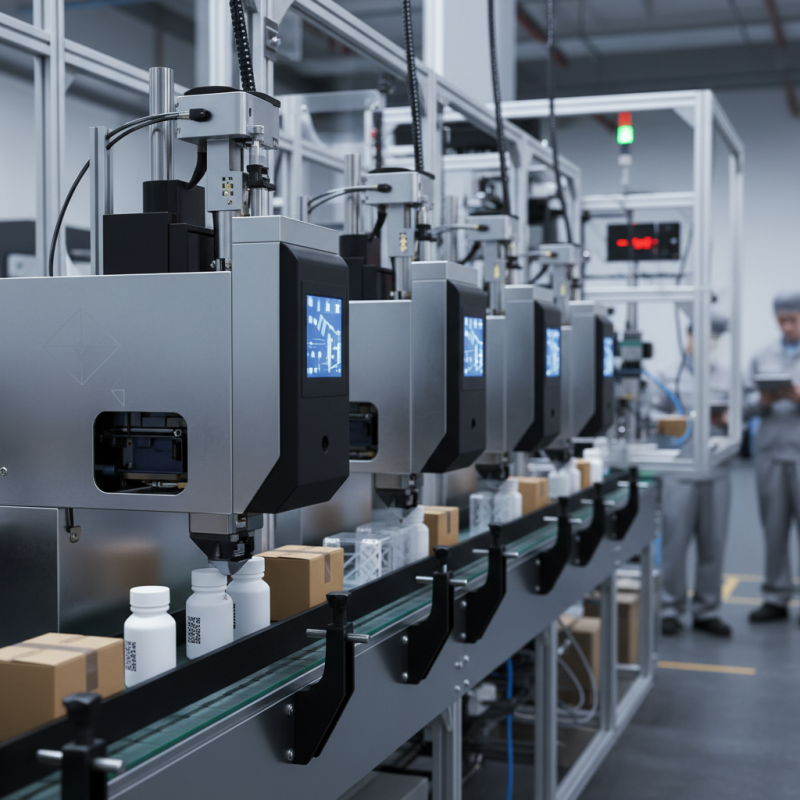
In today’s competitive market, small character inkjet printers play a crucial role in various industries. These printers offer precision and efficiency in printing essential information, such as dates, lot numbers, and barcodes on products. As buyers navigate the vast selection available, choosing the right machine can be daunting.
The right small character inkjet printer should fit specific needs. Factors like printing speed, resolution, and maintenance requirements are vital to consider. Depending on your industry, these printers may require different features, impacting overall productivity. It's essential to evaluate each model critically.
Mistakes can happen, leading buyers to purchase printers that do not meet their needs. Understanding the differences among various brands and models can save both time and resources. By reflecting on potential shortcomings, businesses can make more informed decisions, ensuring they select the best small character inkjet printer for their operations.
Top Features to Consider in Small Character Inkjet Printers
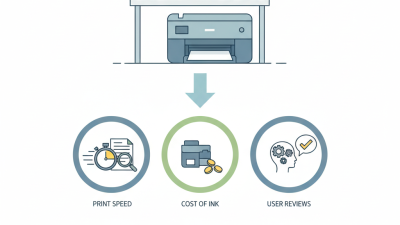
When choosing a small character inkjet printer, several features are critical. First, consider print speed. Fast production can enhance efficiency. Look for models that offer better throughput without sacrificing quality. Additionally, verify the print resolution. A higher resolution can yield clearer marks.
Ink cost is another vital factor. Some printers use larger cartridges, which may save money over time. It's worth considering the cost-per-page ratio. Simpler systems may seem appealing, but they can lead to unexpected expenses later. Evaluate this carefully.
Tips: Regular maintenance extends printer life. Keep ink nozzles clean to prevent clogs. Use quality ink to avoid fading and ensure durability. Reflect on your printing needs. A multifunction printer may not always be the best choice for every situation. Think about your unique requirements before making a decision. Choose wisely to save time and resources.
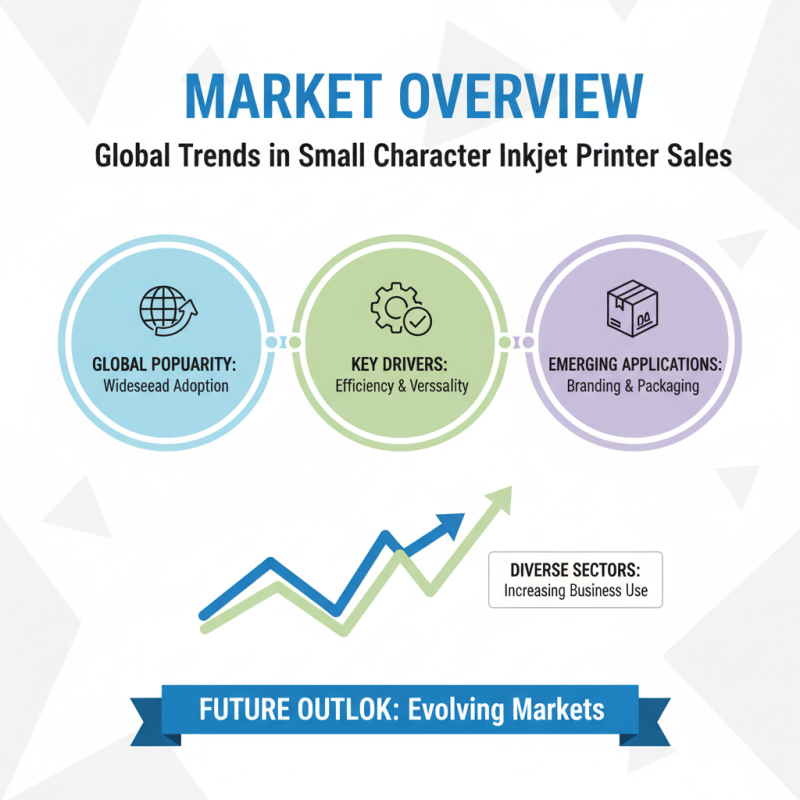
Market Overview: Global Trends in Small Character Inkjet Printer Sales
In recent years, small character inkjet printers have gained immense popularity worldwide. Businesses in various sectors are increasingly adopting these printers. This trend is driven by their efficiency and ability to print on multiple surfaces. Markets are evolving, with more diverse applications emerging every day. Companies are recognizing the value of these printers for branding and packaging needs.
For buyers, understanding market trends is crucial. When selecting a printer, consider the printing speed and ease of use. Look for models that offer reliable performance over time. To ensure effective integration into existing systems, assess compatibility with software.
Remember, not all printers are created equal. Some may be cheaper but might lack durability. Researching user reviews can be beneficial before investing. This prevents regrettable purchases that don't meet expectations. Additionally, keep an eye on the maintenance requirements of each model. Regular upkeep can enhance printer longevity and performance.
Comparison of Leading Brands: Performance and Reliability Metrics
When selecting a small character inkjet printer, performance and reliability are crucial metrics. Studies indicate that top performers in this category maintain high speeds and accuracy. A recent industry report highlights that printers with a speed of over 300 feet per minute can double production efficiency. However, buyers should remain cautious, as not all brands can consistently meet these performance standards.
Another essential aspect is reliability. Data reveals that printers achieving an average uptime of 95% significantly reduce operational disruptions. Brands that have invested in advanced maintenance features often enjoy higher reliability ratings. Yet, some users report variability, with certain models failing unexpectedly during high-volume tasks. Conducting thorough reviews and considering user feedback can help mitigate such risks.
Tips: Always evaluate the warranty and service options. A strong support system can make a difference when issues arise. Additionally, regularly assess your printing needs. Adjustments over time may necessitate a different model or technology. Finally, seek insights from users in similar industries; their experiences can provide valuable guidance.
Top 10 Small Character Inkjet Printers for Global Buyers
| Model |
Max Print Speed (m/min) |
Print Resolution (dpi) |
Ink Type |
Reliability Score (1-10) |
Average Cost ($) |
| Model A |
20 |
600 |
Pigment |
9 |
1800 |
| Model B |
18 |
300 |
Dye |
8 |
1500 |
| Model C |
15 |
1200 |
Hybrid |
7 |
2000 |
| Model D |
25 |
400 |
Pigment |
9 |
1700 |
| Model E |
22 |
480 |
Dye |
6 |
1600 |
| Model F |
30 |
720 |
Hybrid |
10 |
1900 |
| Model G |
19 |
300 |
Pigment |
8 |
1550 |
| Model H |
21 |
600 |
Dye |
7 |
1650 |
| Model I |
16 |
900 |
Hybrid |
9 |
1750 |
| Model J |
23 |
300 |
Pigment |
10 |
2000 |
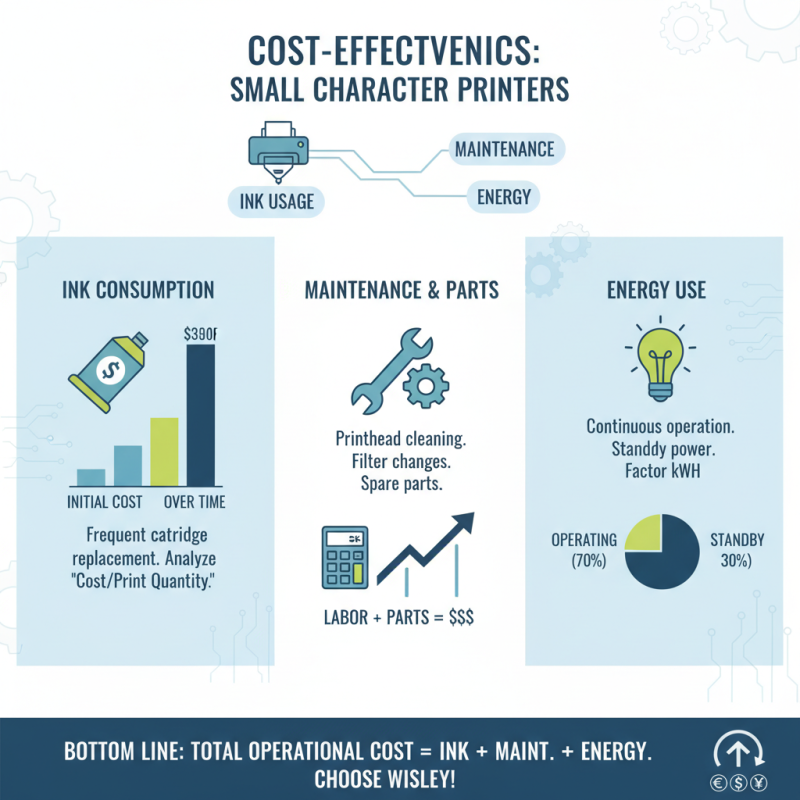
Cost-Effectiveness: Analyzing Operational Costs of Small Character Printers
When evaluating small character inkjet printers, cost-effectiveness becomes a key factor. Operational costs directly impact the bottom line for many businesses. Need to consider ink usage, maintenance, and energy consumption. These printers often require frequent ink cartridge replacements, which can add up. It's essential to analyze average ink costs over time versus the quantity printed.
Moreover, maintenance can present hidden costs. Regular cleaning of print heads is necessary. Ignoring this can lead to clogged nozzles, affecting print quality. Companies should also factor in the time spent on maintenance tasks. Small character printers may be compact, but they demand attention and care. This could detract from productivity if not managed properly.
Energy efficiency is another aspect to consider. Some models consume more power than others. Energy-efficient printers reduce long-term costs. It's advisable to look for features that minimize energy use during idle periods. Reflecting on these factors will help gauge the true operational costs of small character inkjet printers. Balancing upfront costs with long-term expenses is crucial for sound investment.
Case Studies: Industry Applications of Small Character Inkjet Printing
Small character inkjet printing has rapidly evolved to meet various industry needs. According to a report by Smithers Pira, the global inkjet printing market is projected to grow at a CAGR of 4.6% from 2021 to 2026. This growth highlights the increasing reliance on small character inkjet printers in sectors like food and beverage, pharmaceuticals, and logistics. These printers are crucial for encoding, marking, and labeling products, ensuring compliance with industry standards.
In the food and beverage sector, precise labeling is vital. The ability to print expiration dates and batch numbers directly onto packaging enhances traceability. A study indicated that 60% of consumers consider product labeling crucial to their purchasing decisions. However, many brands struggle with inconsistent print quality due to equipment limitations. This inconsistency can lead to waste and decreased customer loyalty, emphasizing the need for reliable printing solutions.
Pharmaceutical companies also depend heavily on these printers. They require accurate labels for medications to avoid serious health risks. Research shows that poor labeling can contribute to over 1 million adverse drug events annually. While technology has advanced, challenges in maintaining printer performance persist. Ensuring high-quality prints under various production conditions remains a focus for industry players. Addressing these challenges is essential for optimizing operations and enhancing safety in critical applications.
Top 10 Small Character Inkjet Printers: Key Performance Metrics


 Send Email
 18929582815