How to Choose the Best Handheld Inkjet Printers for Your Business
Choosing the right handheld inkjet printer can significantly impact your business operations. As industry expert Mark Johnson states, “A reliable printer can streamline your processes.” Handheld inkjet printers provide flexibility and efficiency, making them ideal for various applications, from labeling to coding.
When selecting a handheld inkjet printer, consider factors like print quality, battery life, and durability. High-quality printing ensures clear and legible outputs, crucial for product identification. Battery life affects your workflow, especially if you work in remote locations. Durability is essential for devices facing harsh environments.
While many options exist, it's essential to evaluate your specific needs. Not every printer will suit every application. Sometimes, features may not stack up as expected. Investing time in research and hands-on testing can save costly mistakes. The right handheld inkjet printer could enhance your business efficiency and productivity.
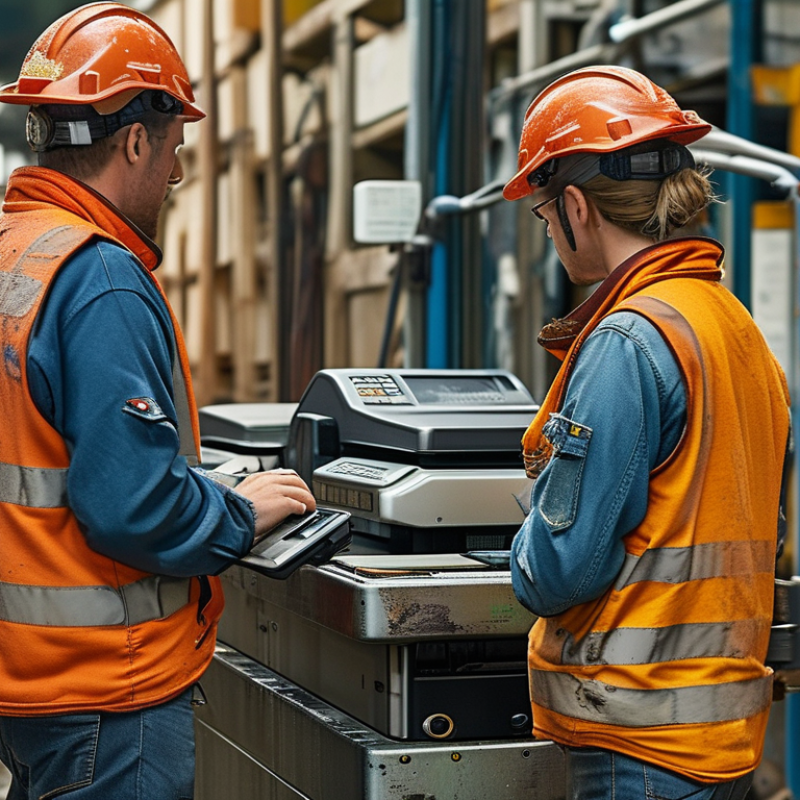
Understanding Handheld Inkjet Printers and Their Applications
Handheld inkjet printers are versatile tools widely used in various industries. These printers are portable and easy to use, making them suitable for on-the-go printing needs. They can print on different surfaces, including cardboard, plastic, and metal. This flexibility is crucial for businesses that require marking or labeling products directly at the production site.
Despite their advantages, there are challenges that come with using handheld inkjet printers. The quality of prints can vary significantly based on the ink used and the printing surface. Users often find themselves adjusting settings to achieve optimal results. Furthermore, battery life may limit usage in larger operations. Maintaining a consistent workflow while ensuring print clarity can become a logistical hurdle.
Adopting handheld inkjet printers requires careful consideration of specific applications. Businesses need to evaluate their printing requirements and the environments in which they operate. Emphasizing the suitability for various tasks can enhance efficiency. However, it is essential to weigh the benefits against practical limitations to make the best choice for your operations.
Key Features to Assess When Choosing a Handheld Inkjet Printer
When selecting a handheld inkjet printer, it is crucial to evaluate several key features.
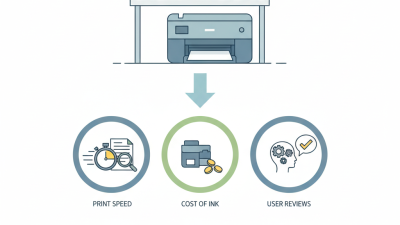
The printing speed should match your business needs. A faster printer can increase productivity,
but consider if you really need that speed. Sometimes, a slower printer may produce better quality prints.
Assess the print resolution as well. Higher resolution provides clearer and sharper images.
If detail matters, this is a significant factor.
Ease of use is another important feature. Look for a user-friendly interface. A complicated printer
can waste time and frustrate employees. Check the connectivity options too. Wireless printing can
offer flexibility. However, ensure your devices are compatible. Battery life also plays a role.
A short-life battery may hinder mobility, so look for options that provide long-lasting power.
Durability matters, especially for on-the-go printing. Consider the build quality. A robust printer
is essential in a busy environment. Reflect on maintenance and support as well. Some printers may
need frequent servicing, leading to downtime. Think about your specific needs, and balance quality
with practicality when making your choice.
Comparing Top Handheld Inkjet Printer Brands in the Market
When selecting a handheld inkjet printer, understanding brand differences is crucial. Market reports indicate that key players vary significantly in performance and durability. Research shows that factors such as print speed and ink quality can impact overall productivity. A reliable printer enhances workflow efficiency, a necessity for businesses in fast-paced environments.
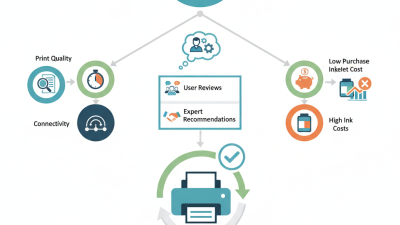
Consider these factors: battery life, print resolution, and connectivity options. A printer with a longer battery can minimize interruptions, while higher resolution prints ensure clear branding. Inspection of user reviews can reveal longevity issues. Some models may have consistent performance but falter under heavy usage.
Testing and trialing different brands can provide insight. Engaging with industry forums or consulting reports can offer unbiased comparisons. Remember, a cost-effective solution may not always meet your performance needs. Exploring different printers in real-world applications can illuminate their strengths and weaknesses. Always assess if the technology aligns with your specific business requirements.
Cost Considerations: Budgeting for Your Handheld Inkjet Printer
When budgeting for a handheld inkjet printer, understanding costs is crucial. Research indicates that prices can range from $100 to over $1,000, depending on features and capabilities. Companies should consider not only the initial purchase price but also ongoing expenses like ink and maintenance. For instance, ink cartridges can represent 20% to 50% of a printer's lifetime cost. Choosing models with larger ink tanks might reduce overall costs.
The total cost of ownership should be evaluated. A printer might appear affordable upfront but could incur high operational costs over time. According to industry experts, businesses often overlook the cost of replacement parts and servicing. These expenses can accumulate, impacting your bottom line.
Consider the volume of printing you expect. High-volume businesses may benefit from investing in models designed for heavy use. This choice may have a steeper upfront cost, yet it often leads to savings in the long run. Predicting your specific needs can help in selecting the right model without overspending. Balancing initial and ongoing costs requires careful analysis. Reflecting on past purchases can also provide insight into what features truly add value to your operations.
How to Choose the Best Handheld Inkjet Printers for Your Business - Cost Considerations: Budgeting for Your Handheld Inkjet Printer
| Model |
Print Resolution (dpi) |
Print Speed (ipm) |
Approx. Cost ($) |
Ink Cartridge Cost ($) |
Battery Life (Hours) |
| Model A |
300 |
10 |
150 |
25 |
5 |
| Model B |
600 |
8 |
200 |
30 |
6 |
| Model C |
480 |
9 |
175 |
28 |
7 |
| Model D |
720 |
7 |
250 |
35 |
4 |
| Model E |
300 |
11 |
180 |
20 |
5.5 |
Maintenance Tips for Optimal Performance of Handheld Inkjet Printers
Regular maintenance of handheld inkjet printers is vital for optimal performance. Research indicates that a significant percentage of companies report reduced print quality due to neglect. Cleaning the printhead regularly can prevent ink clogs. Industry guidelines suggest performing this task at least once a week in high-use environments.
Check the ink levels frequently to avoid running out during critical tasks. A study showed that over 30% of printer downtime is caused by empty ink cartridges. Replacing them promptly not only maintains quality but also ensures uninterrupted workflow. Additionally, using the right type of paper can greatly affect print output. Mismatched paper can lead to smudging or fading, which frustrates users.
Environmental factors also play a role. High humidity and dust can negatively impact printer performance. Setting up a dedicated area for printing can mitigate these issues. Tracking the printer’s performance metrics can also highlight emerging problems early. Some may overlook these details and face unwanted consequences later. Reflecting on these aspects is key to achieving high efficiency and print integrity.


 Send Email
 18929582815